
Description

Buddhism in Sri Lanka
Buddhism in Sri Lanka has a rich and extensive history, deeply intertwined with the island’s cultural, social, and political life. The introduction of Buddhism is traditionally attributed to the missionary work of Mahinda, the son of the Mauryan Emperor Ashoka, around the 3rd century BC. Mahinda’s arrival led to the conversion of King Devanampiya Tissa and established Buddhism as the state religion, initiating a profound and lasting transformation.
Historical Development
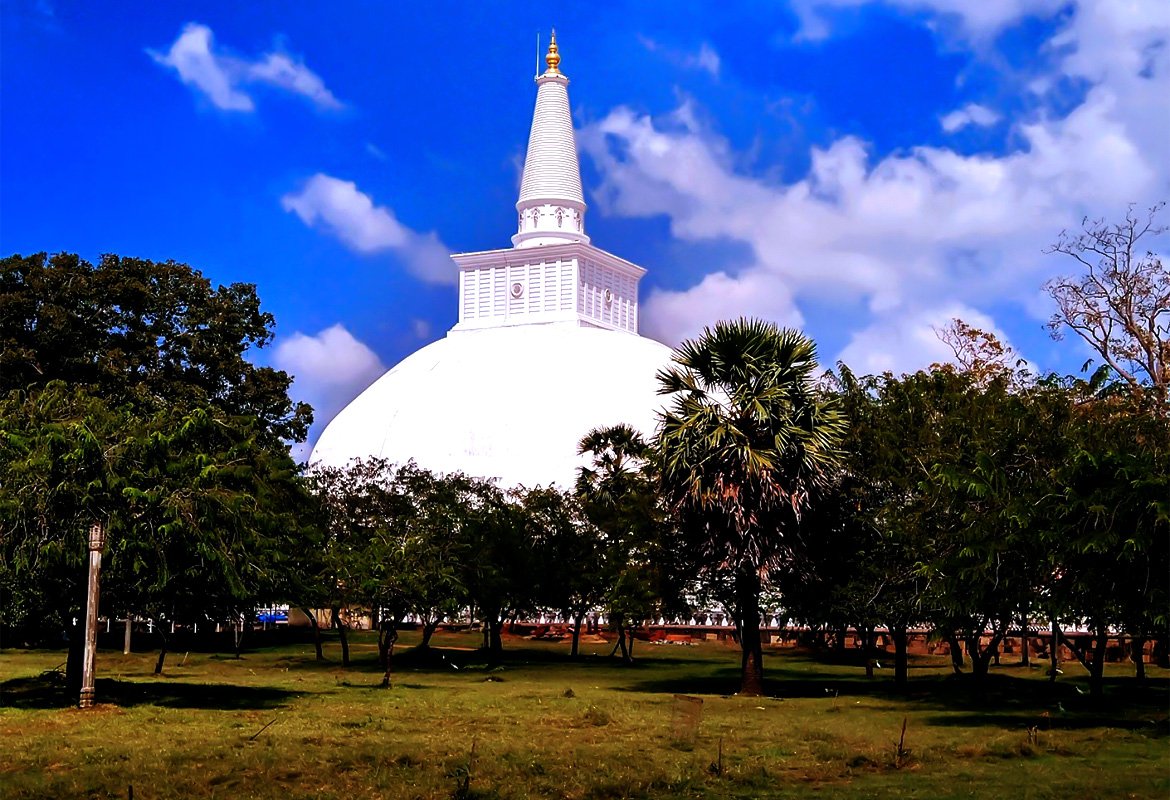
The early period of Buddhism in Sri Lanka saw the establishment of important religious sites and institutions. Anuradhapura, the first capital of Sri Lanka, became a major center for Buddhism, with the construction of stupas such as Ruwanwelisaya and temples like the Thuparamaya. The Sacred Bo Tree (Sri Maha Bodhi), believed to be a sapling from the original Bodhi Tree under which the Buddha attained enlightenment, was also planted in Anuradhapura and remains a revered site.
Theravada Tradition
Sri Lanka is predominantly a Theravada Buddhist country. Theravada, which means “Teaching of the Elders,” is one of the oldest forms of Buddhism and focuses on the Pali Canon, a collection of scriptures that form the doctrinal foundation of Theravada Buddhism. The emphasis is on personal meditation and ethical conduct, aiming for enlightenment through the individual’s effort.
Monastic Life
Monastic life plays a central role in Sri Lankan Buddhism. The Sangha (community of monks) is highly respected, and monasteries are centers of learning, meditation, and community activities. Monks are involved in education, social services, and cultural preservation. Prominent monastic universities such as the Mahavihara in Anuradhapura have historically been centers of Buddhist scholarship.
Influence on Culture
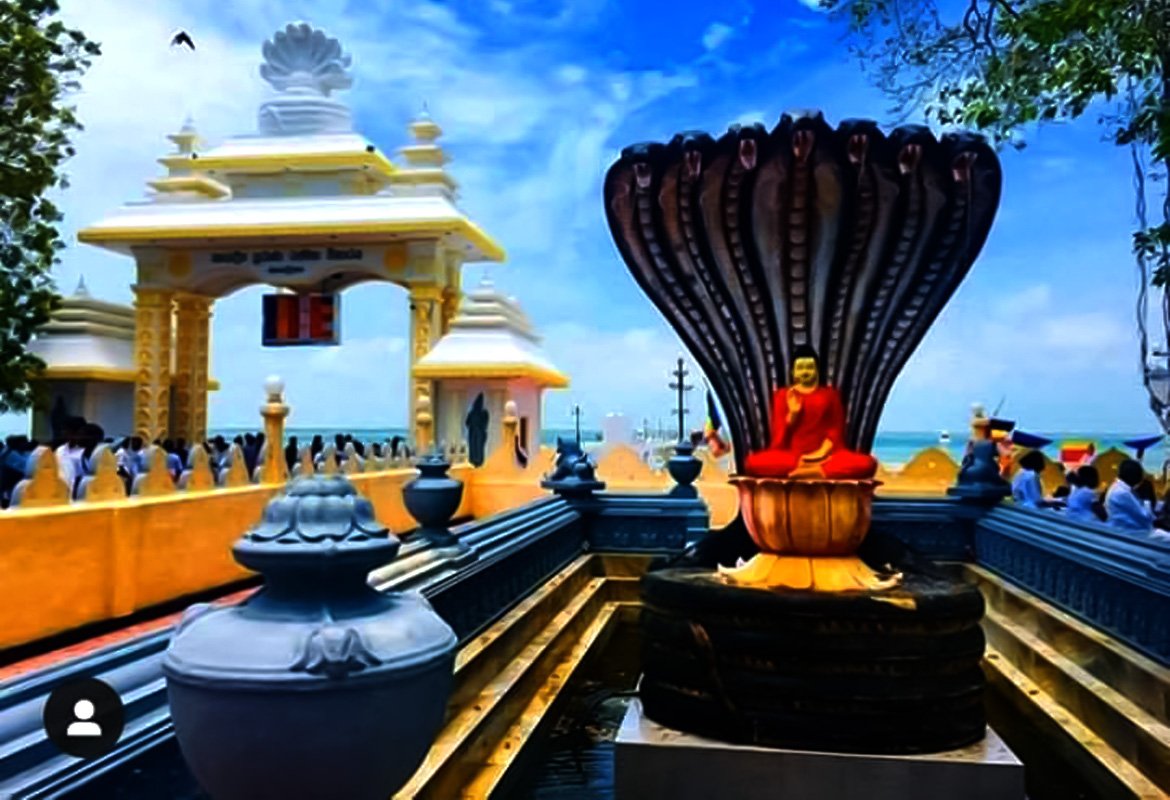
Buddhism has profoundly influenced Sri Lankan culture, art, and architecture. Buddhist principles and values are deeply ingrained in the social fabric, evident in festivals like Vesak, which celebrates the birth, enlightenment, and death of the Buddha. Art and architecture reflect Buddhist themes, with intricate carvings, paintings, and monumental stupas adorning the landscape.
Key Sites
-
-
-
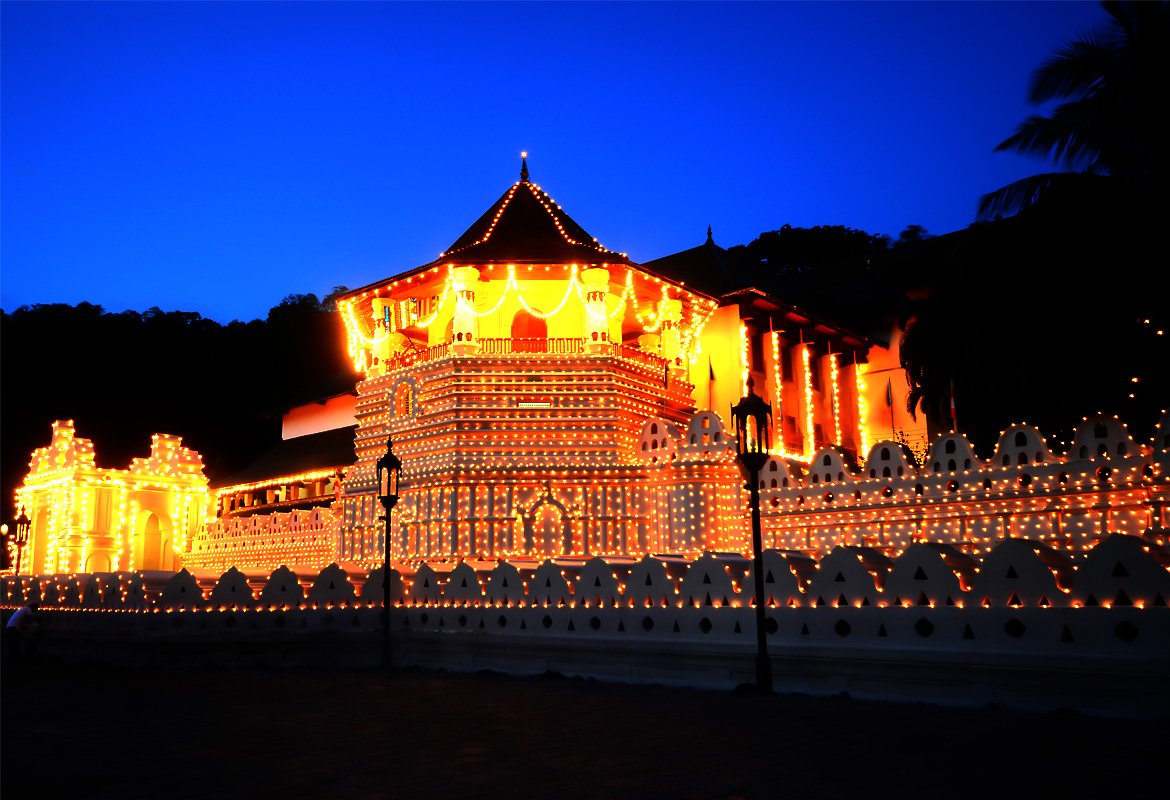
- Temple of the Tooth (Sri Dalada Maligawa): Located in Kandy, it houses the sacred tooth relic of the Buddha, a symbol of sovereignty and spirituality in Sri Lanka.
- Anuradhapura: The ancient city is home to many significant stupas, temples, and the Sacred Bo Tree.
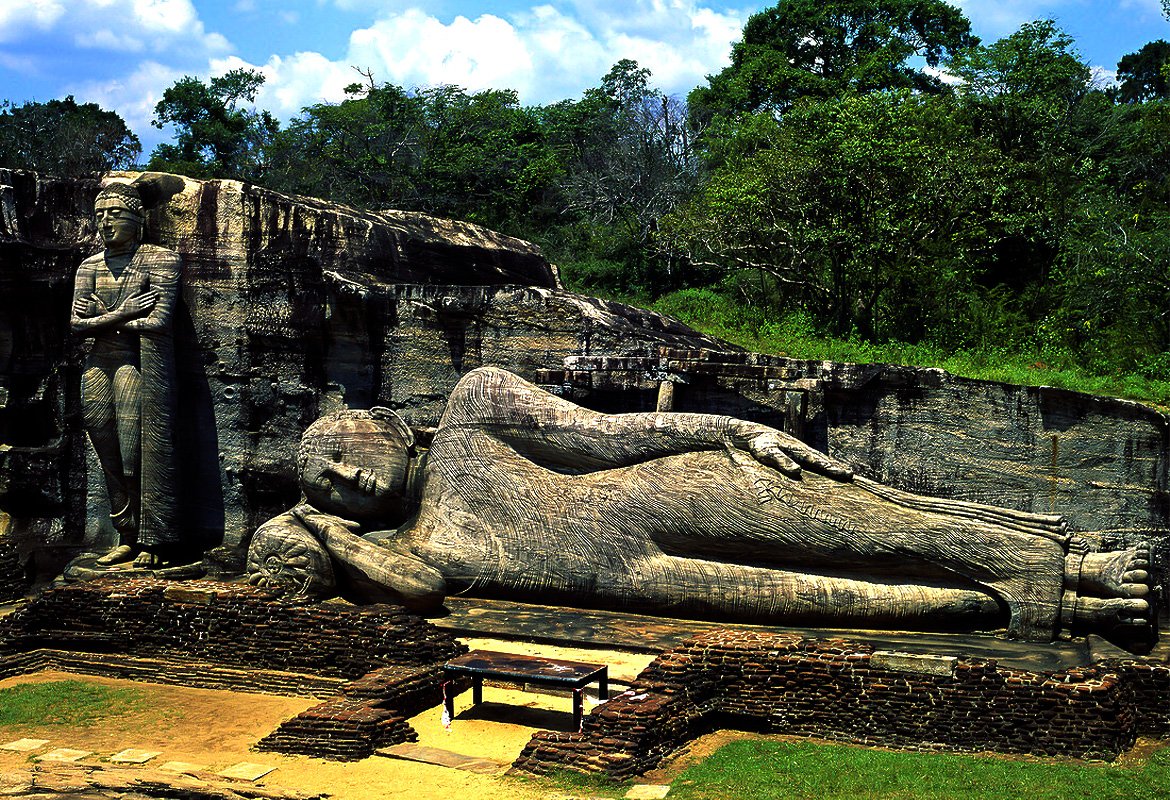
- Polonnaruwa: Another ancient capital, known for its well-preserved ruins and impressive Buddha statues.
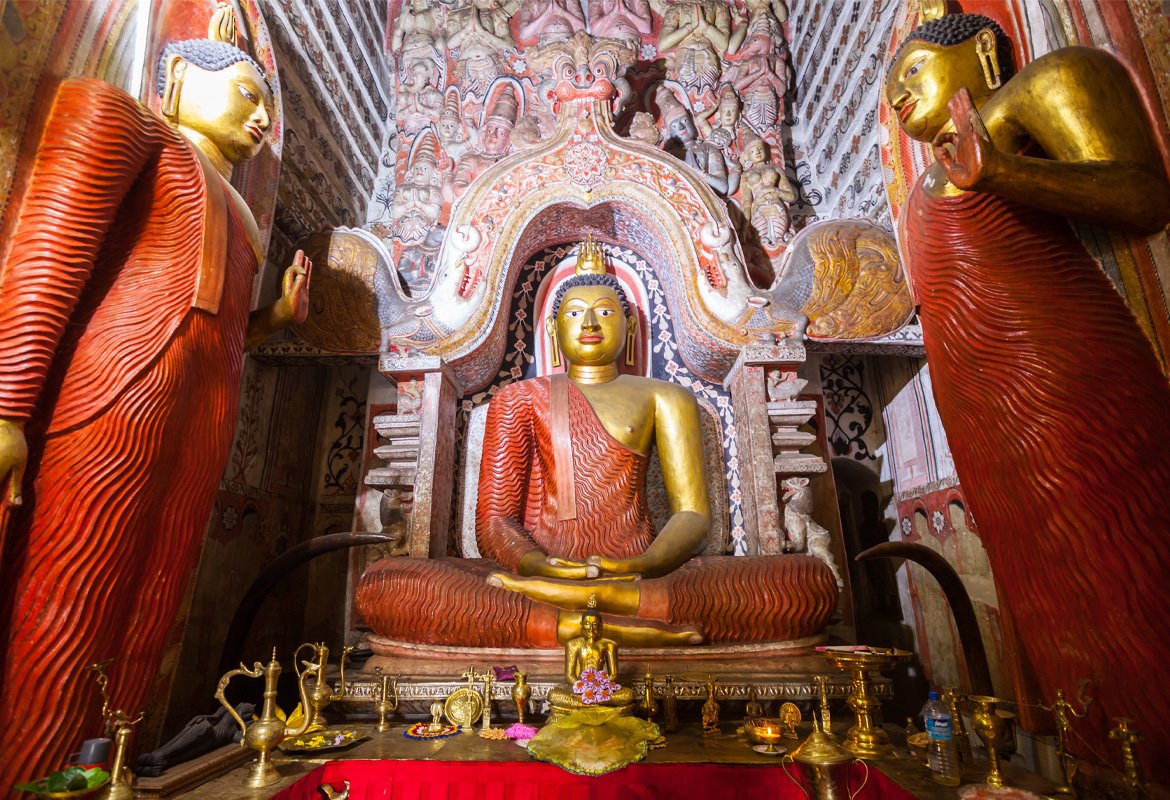
- Dambulla Cave Temple: A UNESCO World Heritage site with stunning cave paintings and statues.
-
-
Modern Influence
In contemporary Sri Lanka, Buddhism continues to play a vital role in public life and governance. The religion is intertwined with national identity, and Buddhist values often influence political decisions and social policies. The island is also a destination for global pilgrims and tourists seeking to explore its rich Buddhist heritage.
Conservation and Education
Efforts to preserve and promote Buddhist teachings are ongoing, with numerous initiatives to protect ancient sites and support Buddhist education. Organizations and communities work to maintain the integrity of Buddhist practices while adapting to modern challenges.
In summary, Buddhism in Sri Lanka is not just a religion but a way of life that has shaped the island’s history, culture, and society for over two millennia. Its influence is seen in the country’s architecture, festivals, daily practices, and national ethos, making Sri Lanka a key center of Theravada Buddhism in the world.