
Kataragama
A Sacred Sanctuary of Unity and Devotion.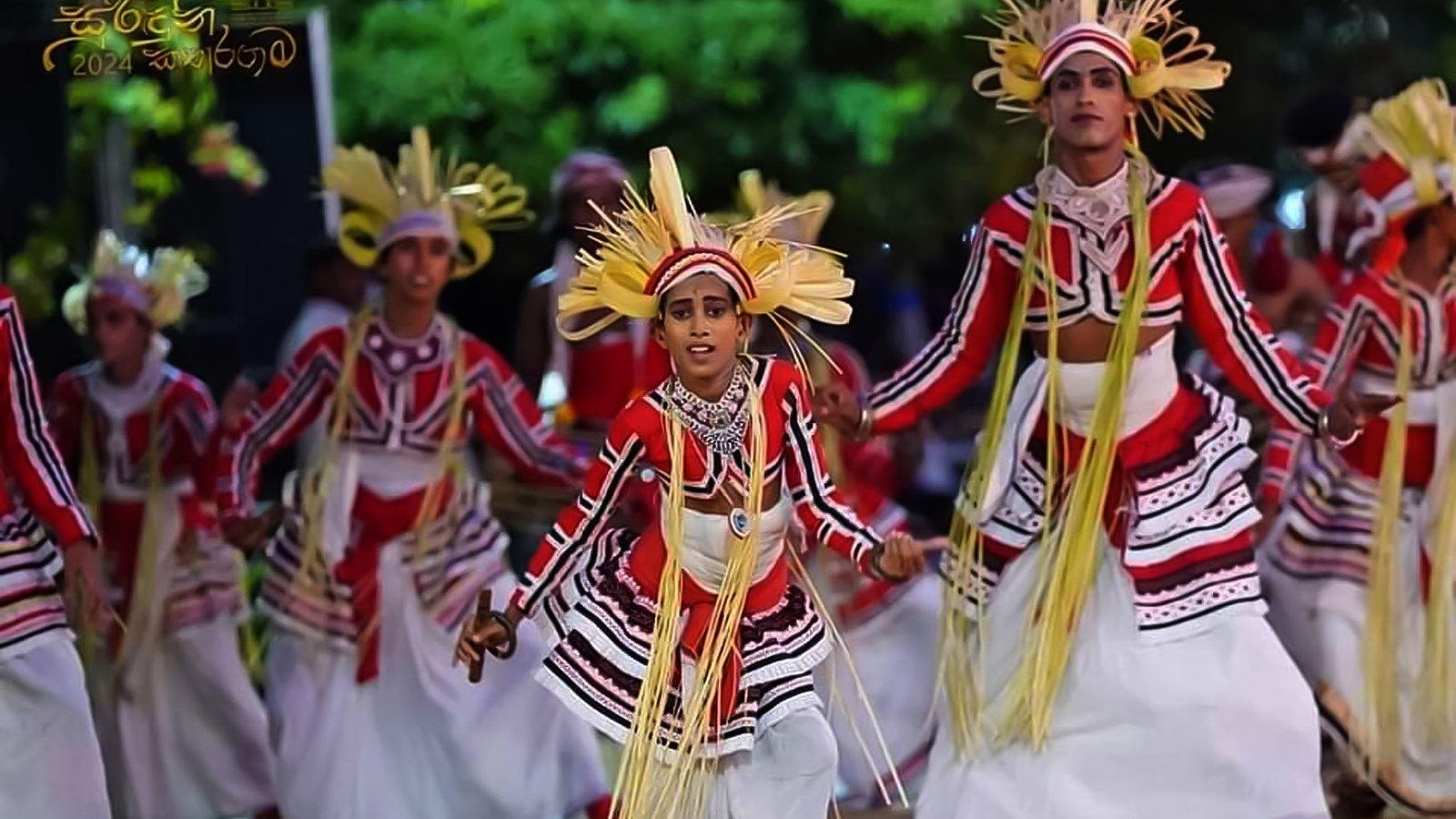
A Sacred Sanctuary of Unity and Devotion.
Kataragama, located in the southeastern region of Sri Lanka, is one of the island’s most revered pilgrimage sites, attracting devotees from multiple religious backgrounds. Known for its deep spiritual significance, Kataragama is a place where Hindu, Buddhist, Muslim, and indigenous Veddah traditions converge, making it a symbol of religious harmony and coexistence. The town is centered around the sacred Kataragama Temple, dedicated to the Hindu deity Skanda, also known as Murugan or Kataragama Deviyo. This temple is a focal point for pilgrims who come to seek blessings, fulfill vows, and participate in vibrant religious rituals.
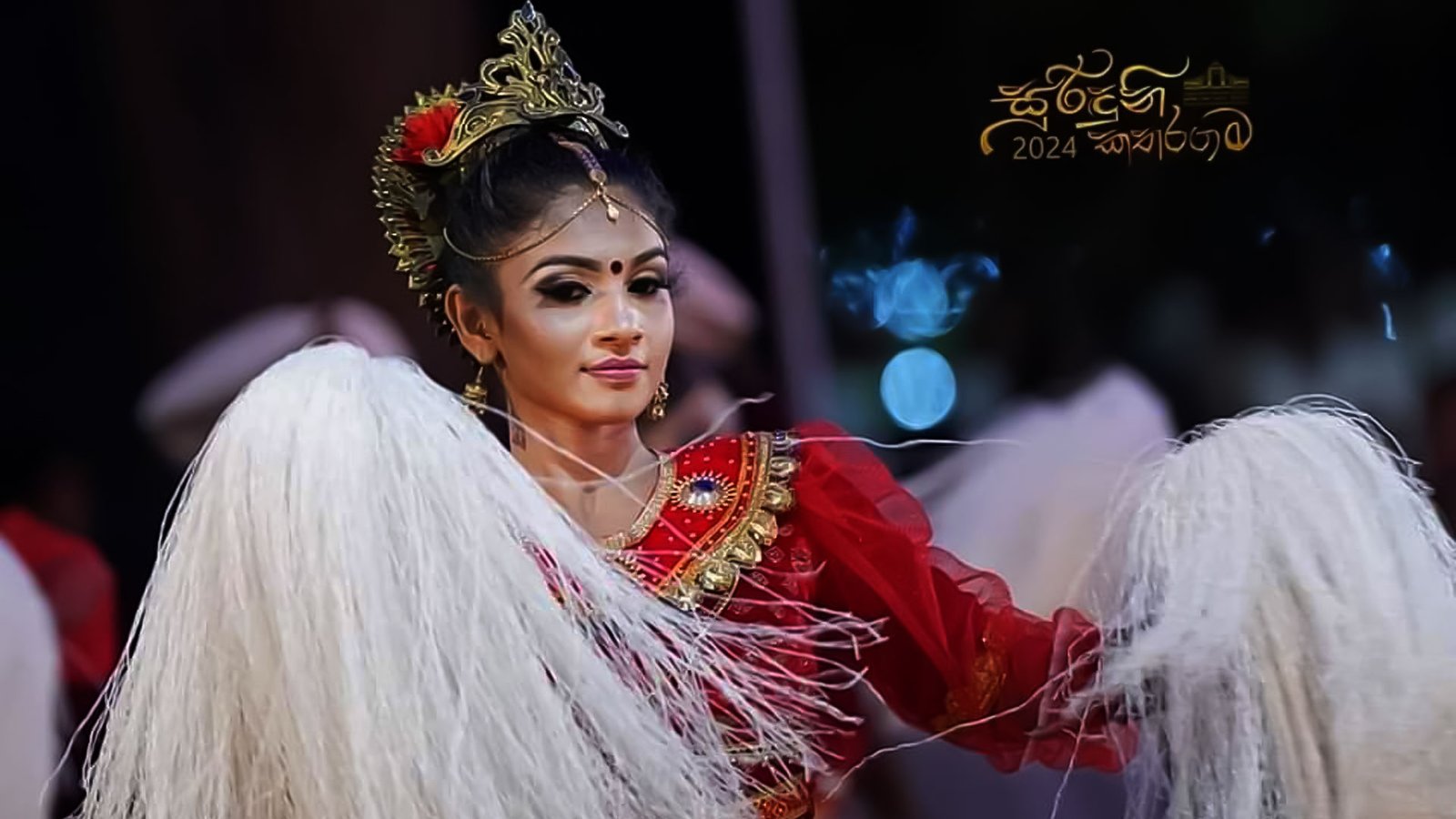
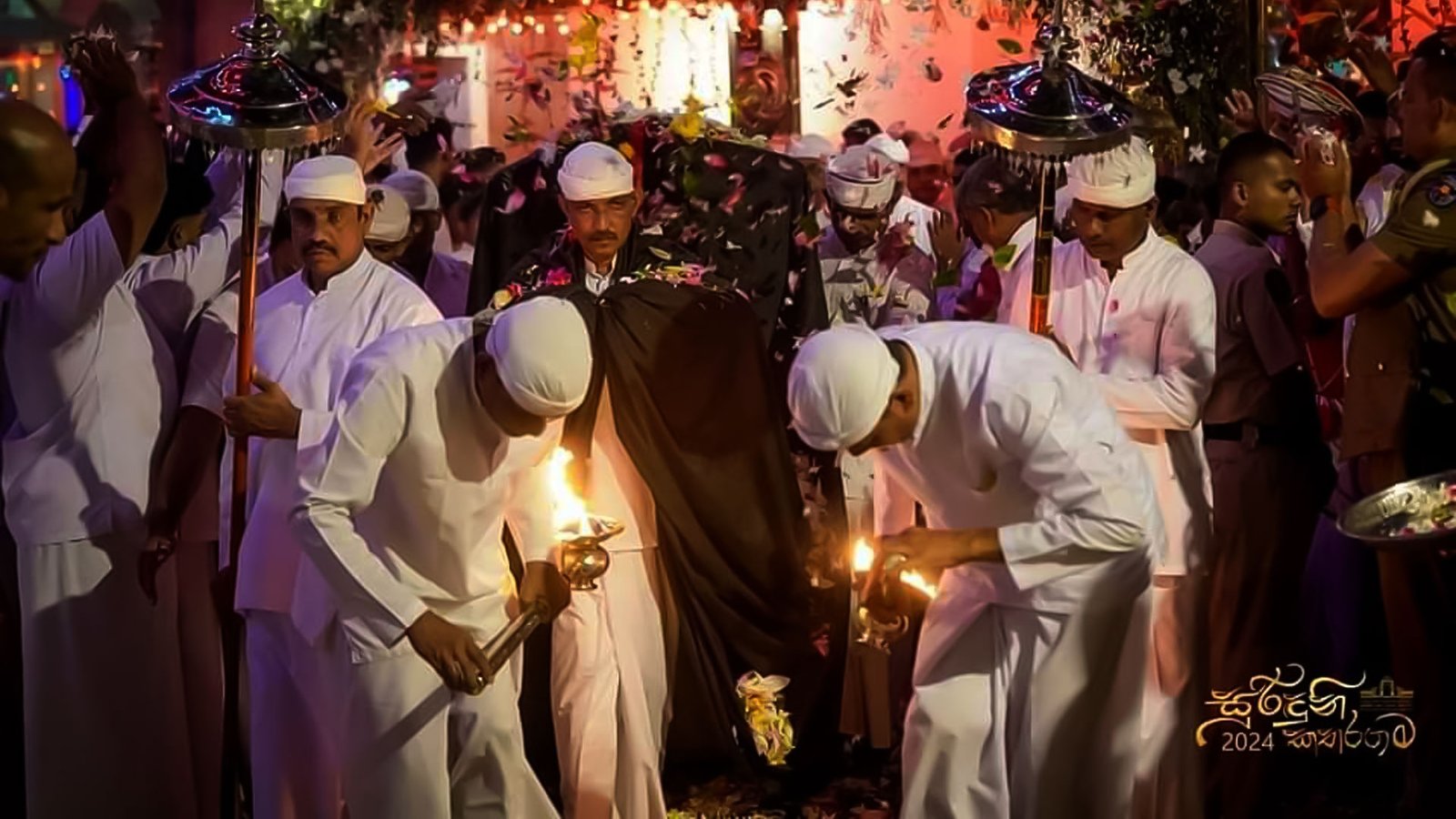
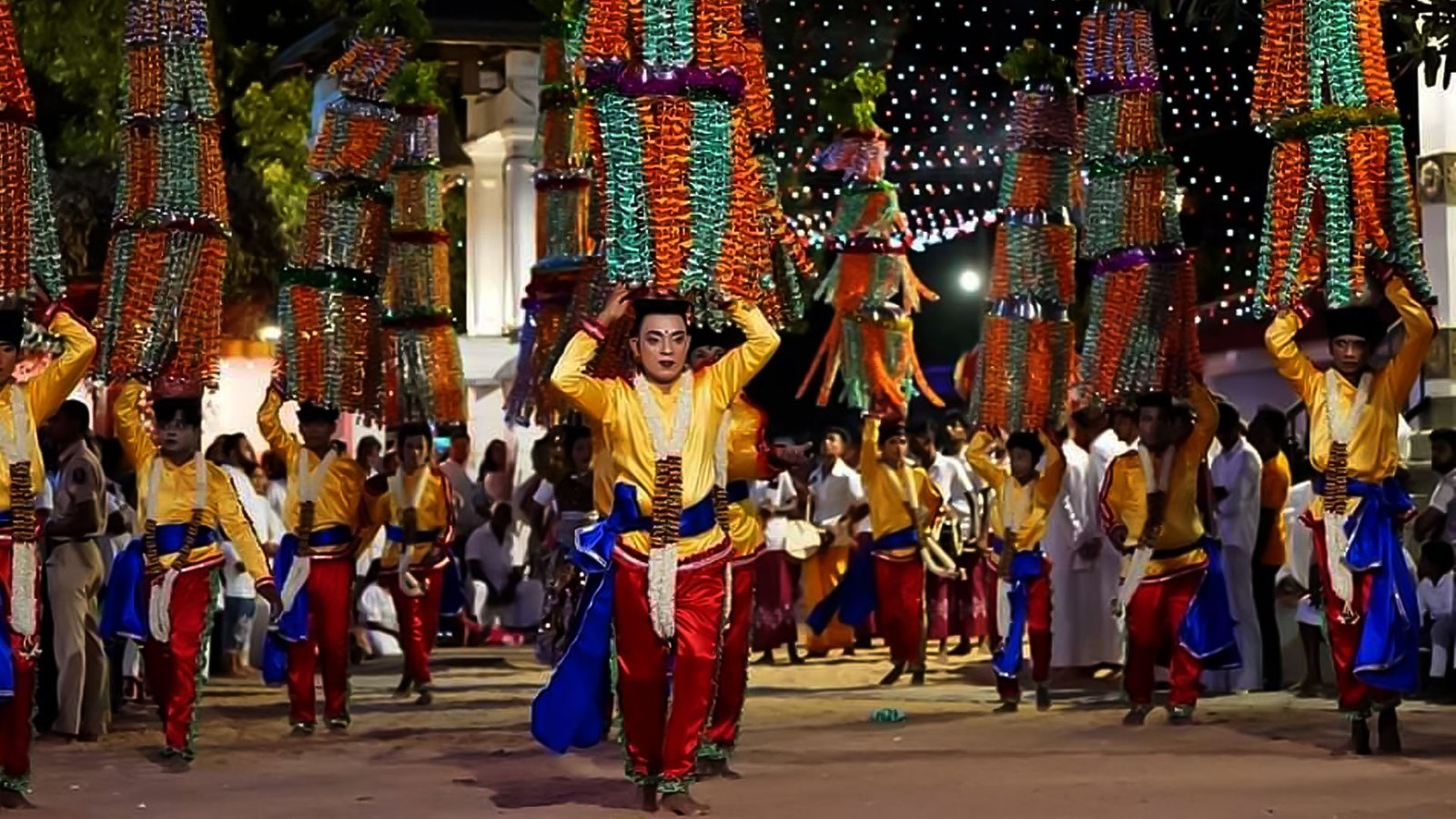
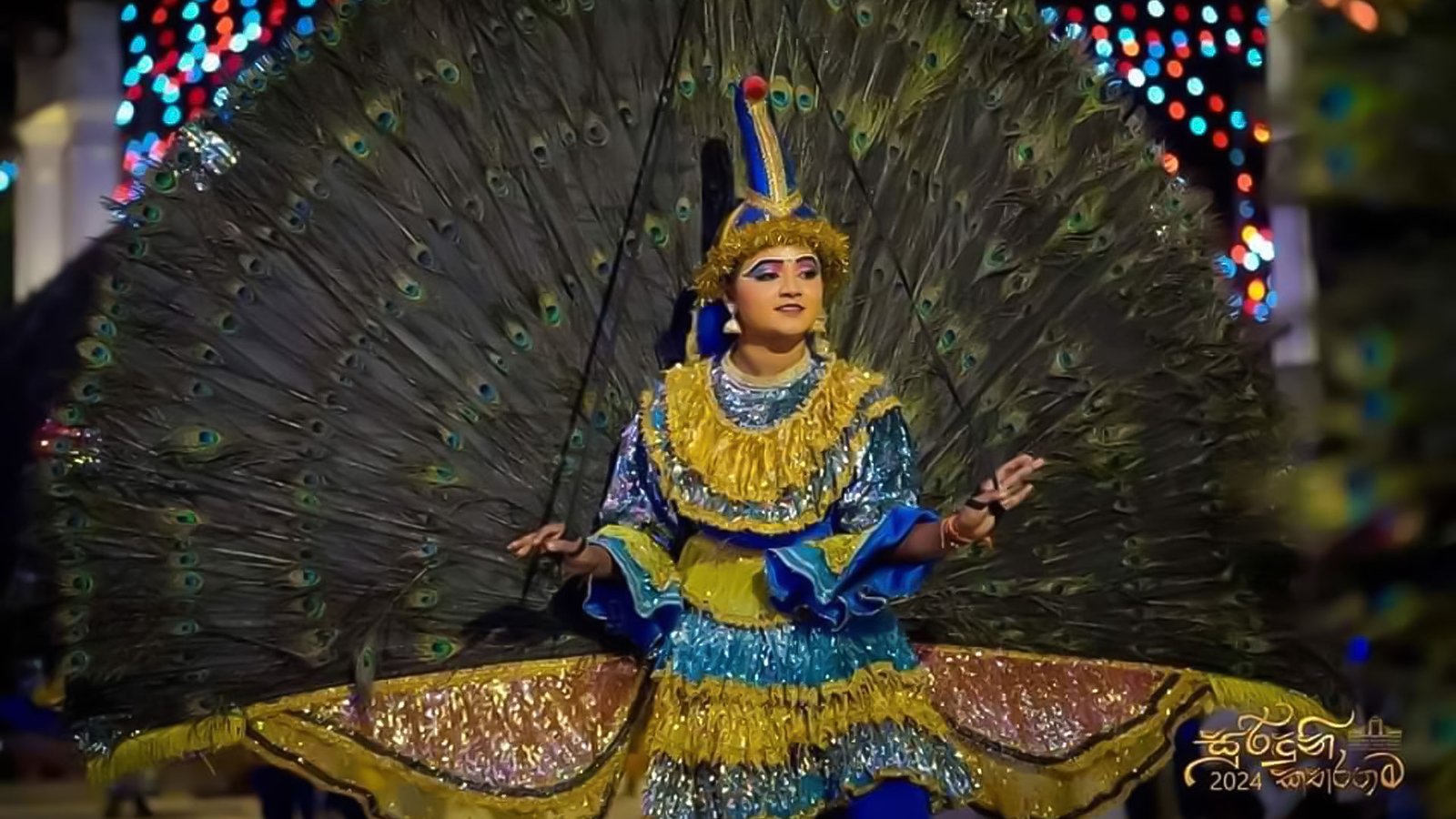
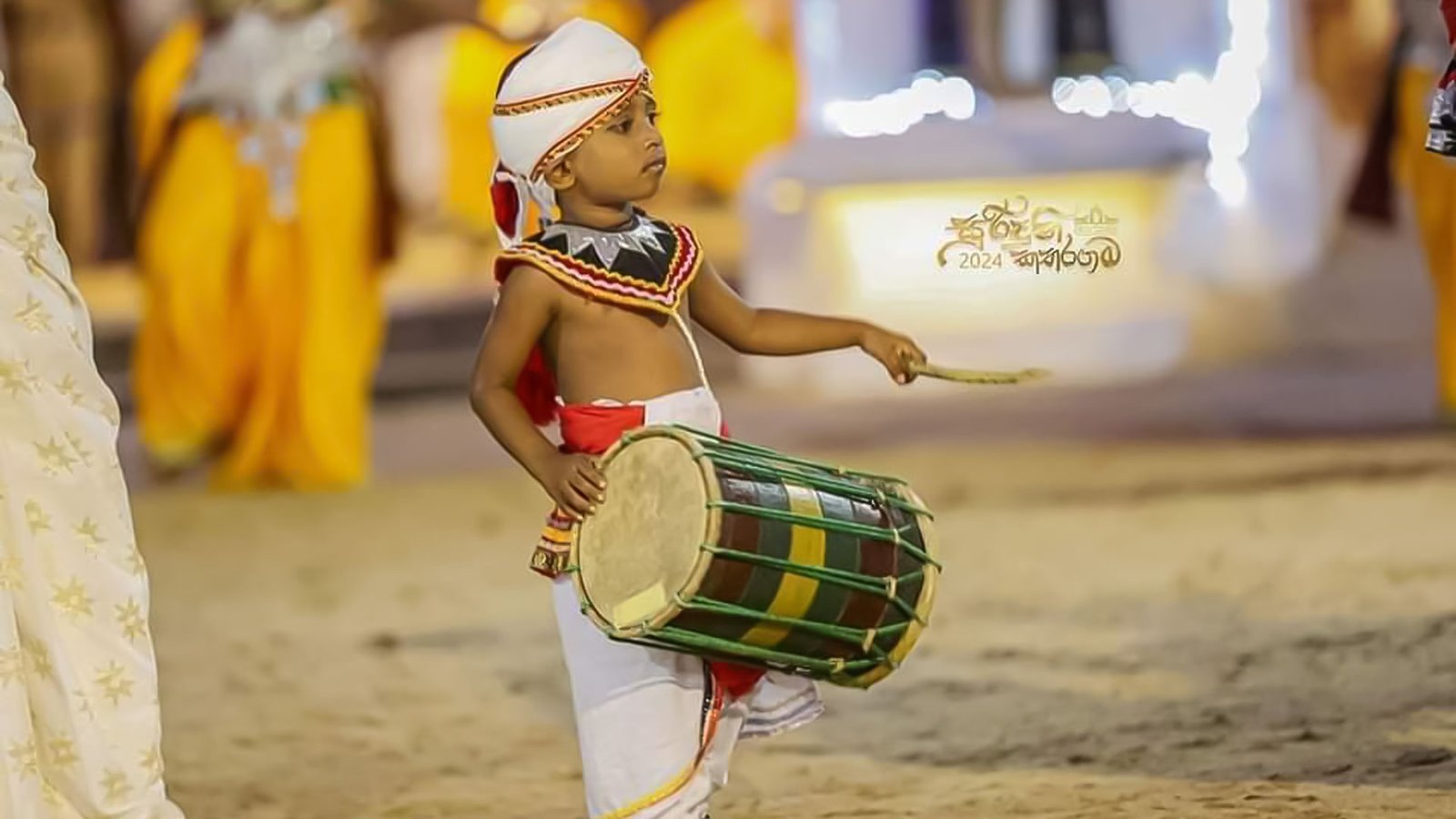
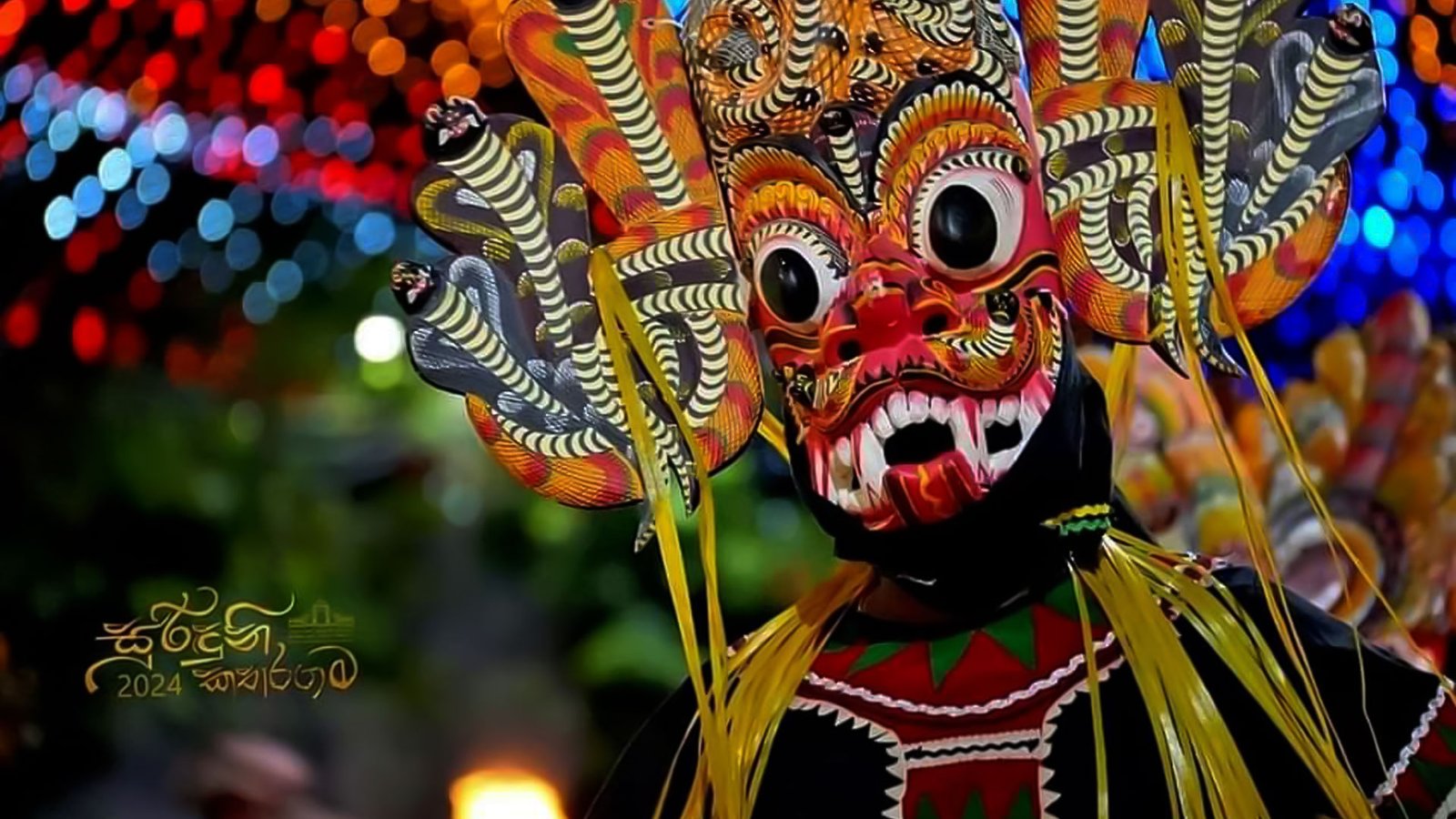
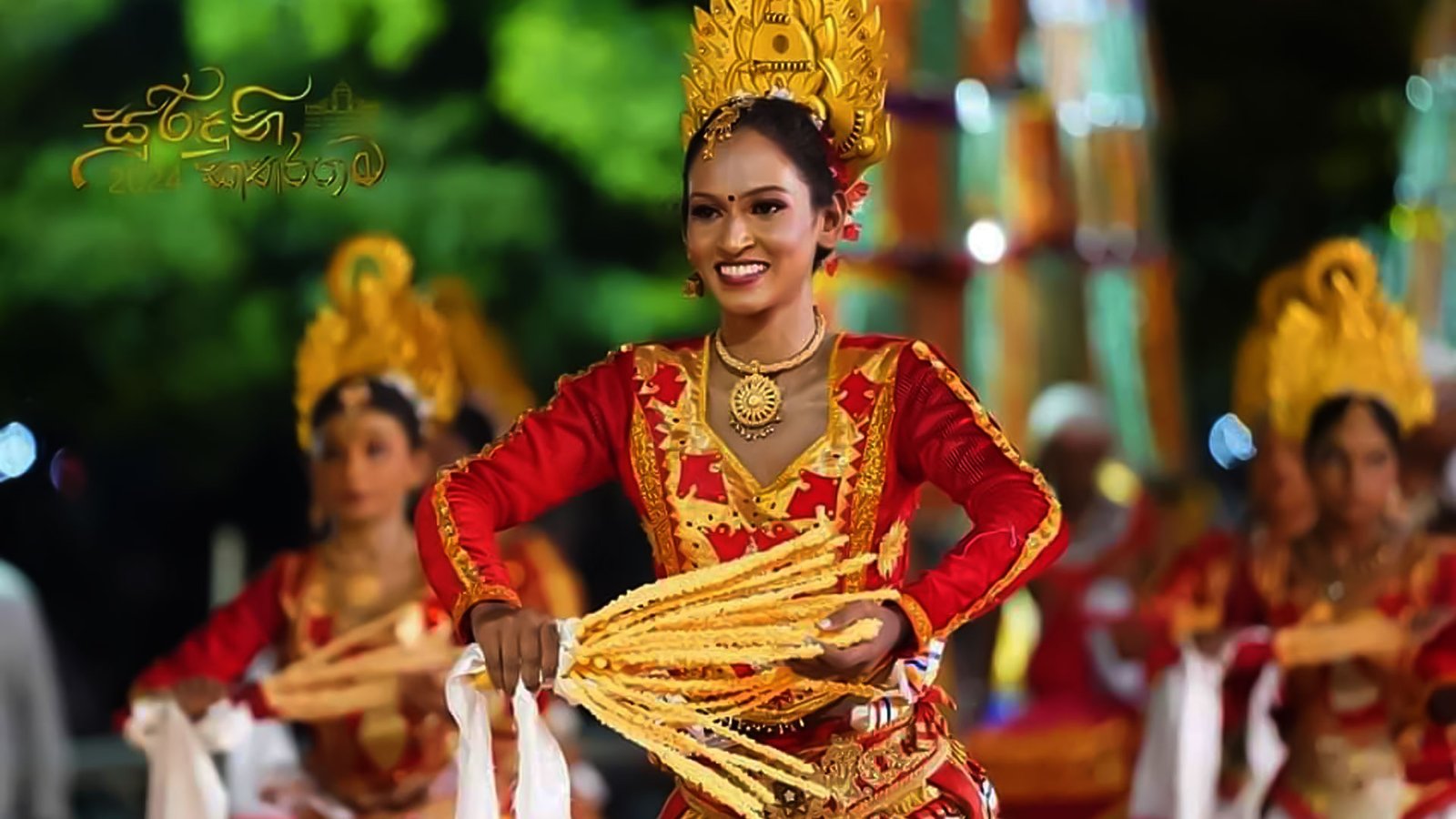
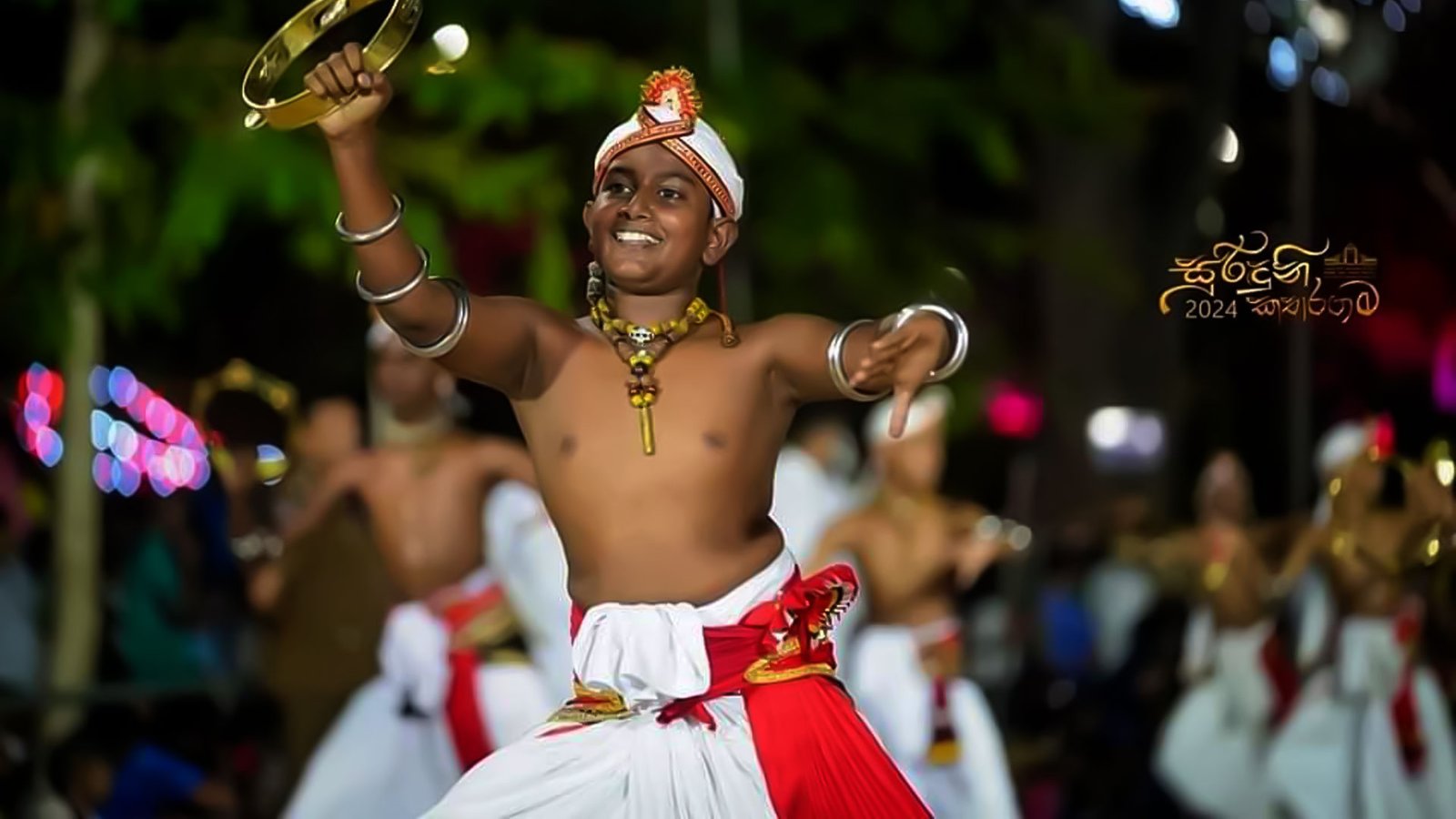
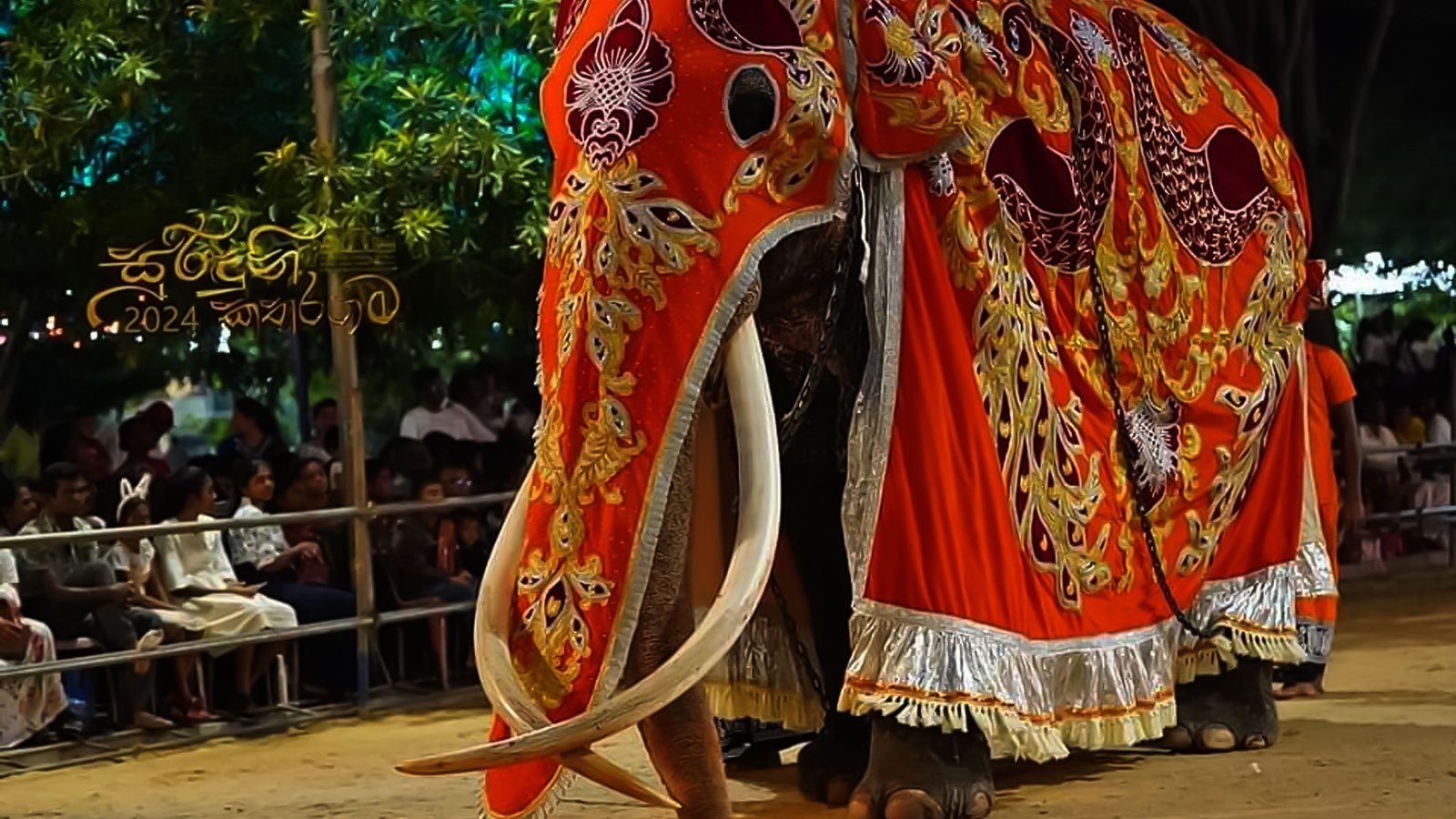
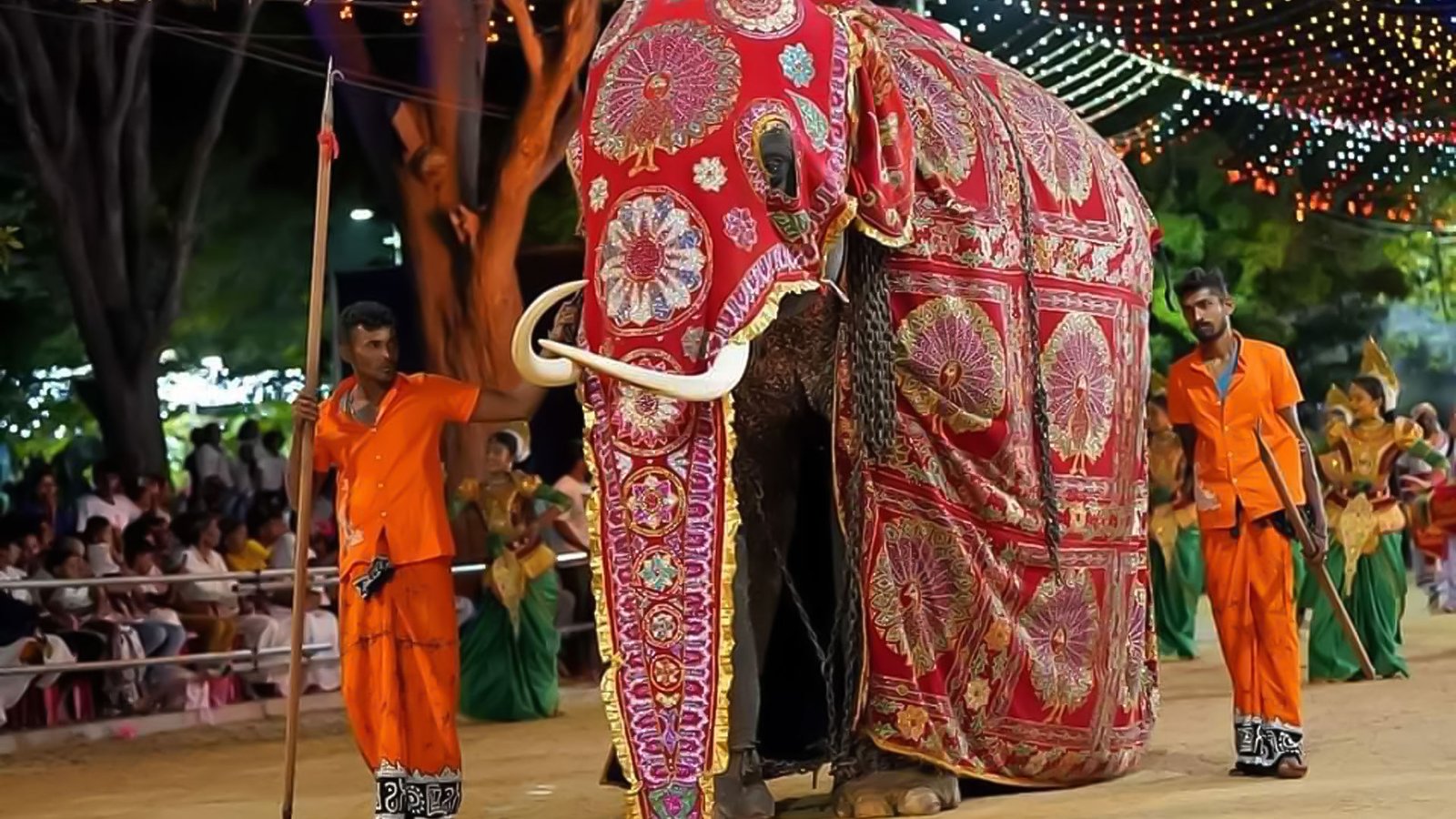
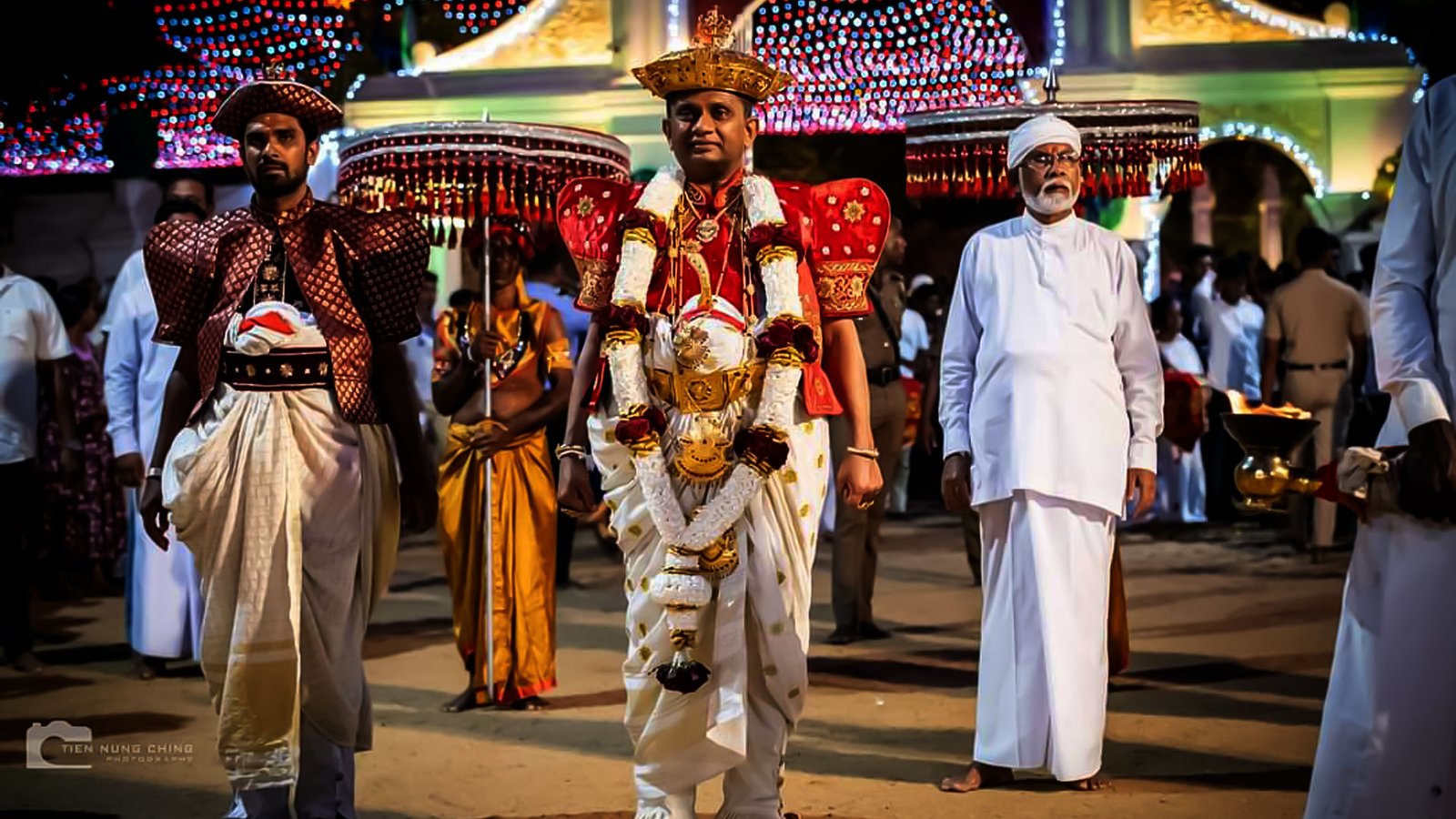
The Kataragama Temple complex is a bustling hub of religious activity, especially during the annual Kataragama Esala Festival, which typically takes place in July or August. This festival is one of the most significant religious events in Sri Lanka, drawing tens of thousands of devotees from across the country and beyond. The festival features elaborate processions, traditional dances, fire-walking ceremonies, and offerings of fruits and flowers to the deity. The atmosphere during the festival is charged with devotion and spiritual fervor, offering a unique glimpse into the island’s rich religious traditions.
Beyond its Hindu significance, Kataragama is also an important site for Buddhists. The Kirivehera, an ancient Buddhist stupa located near the Kataragama Temple, is believed to have been built during the reign of King Mahasena in the 3rd century BCE. According to legend, the Buddha visited this site during his third visit to Sri Lanka, and the stupa marks the spot where he meditated. The Kirivehera is a place of deep reverence for Buddhists, and many pilgrims include it in their spiritual journey to Kataragama.
Kataragama is also significant to the Muslim community, with the nearby Sufi shrine, known as the Mosque of Kalutara, attracting Muslim pilgrims. The presence of this shrine further underscores the town’s reputation as a place of religious inclusivity and spiritual unity. Additionally, the Veddah people, Sri Lanka’s indigenous community, hold Kataragama in high esteem as a sacred site connected to their ancestral worship and traditions.
The surrounding area of Kataragama is rich in natural beauty and wildlife. The town is located near the Yala National Park, one of Sri Lanka’s premier wildlife sanctuaries, known for its diverse ecosystems and abundant wildlife, including elephants, leopards, and a wide variety of bird species. Many visitors to Kataragama take the opportunity to explore Yala, combining their spiritual pilgrimage with a journey into the island’s wilderness.
Kataragama’s serene environment is enhanced by the Menik Ganga, a sacred river that flows near the temple complex. Pilgrims often bathe in the river as part of their purification rituals before offering prayers at the temple. The riverbank, lined with lush greenery and large trees, provides a tranquil setting for reflection and meditation.
Over the years, Kataragama has evolved into a spiritual and cultural hub that transcends religious boundaries. The town’s unique ability to bring together people of different faiths and ethnicities is a testament to Sri Lanka’s rich cultural tapestry and the deep respect for religious diversity that characterizes the island. Whether visiting for religious reasons or simply to experience the cultural vibrancy of this sacred town, Kataragama offers an enriching and unforgettable journey into the heart of Sri Lanka’s spiritual heritage.