
Description

What is Ayurveda?
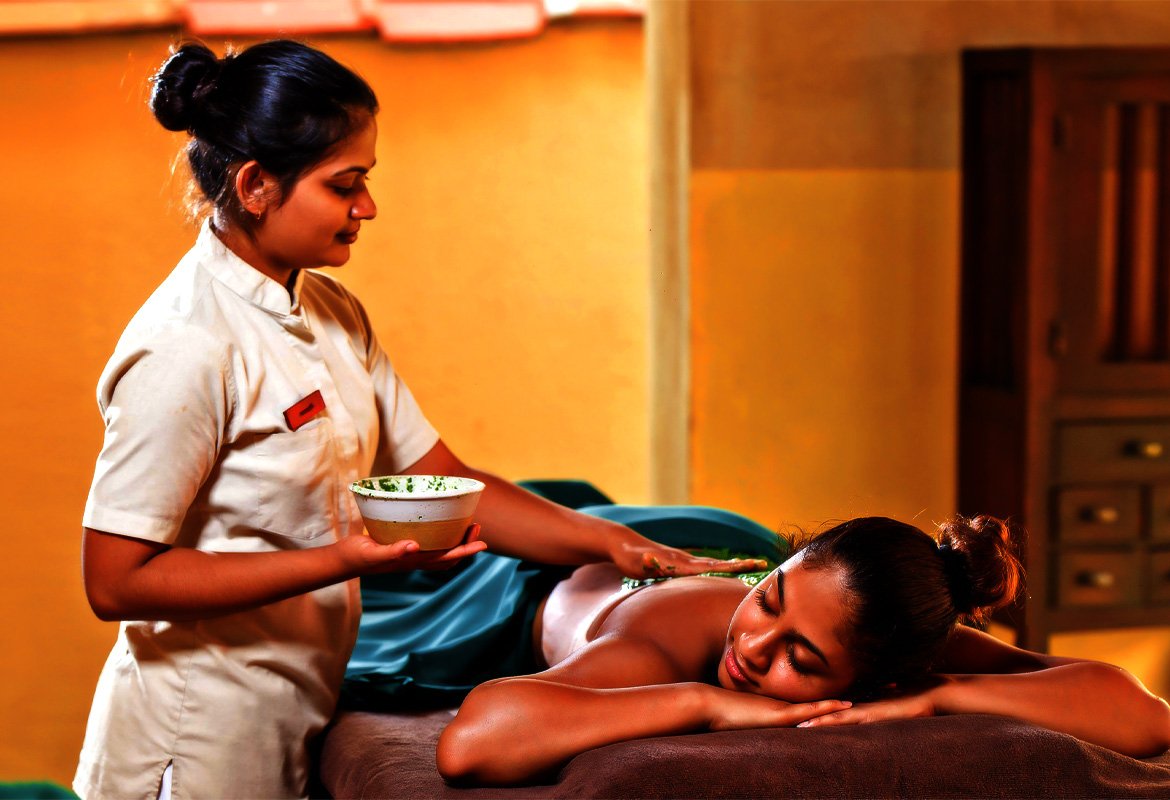
Ayurveda in Sri Lanka is a traditional system of medicine that has been practiced for centuries, focusing on natural and holistic approaches to health and wellness. Derived from ancient Indian Ayurvedic principles, it emphasizes the balance of body, mind, and spirit through natural therapies, herbal remedies, and lifestyle practices.
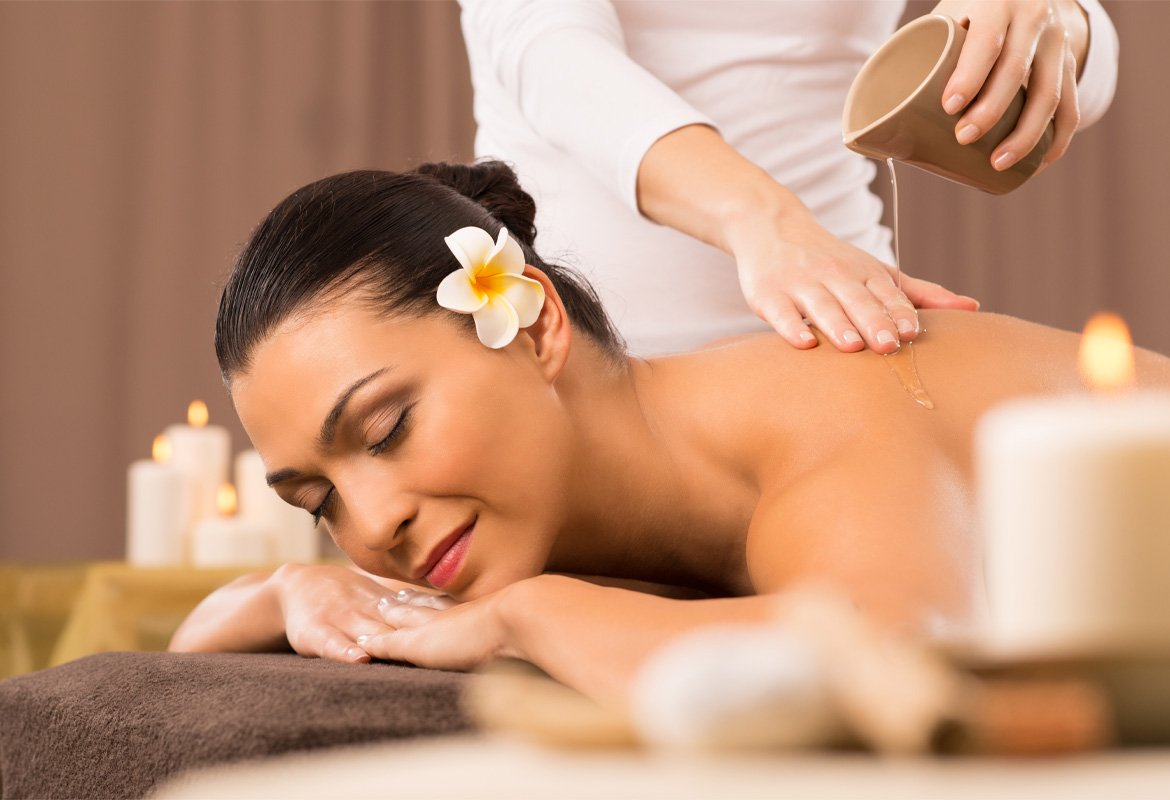
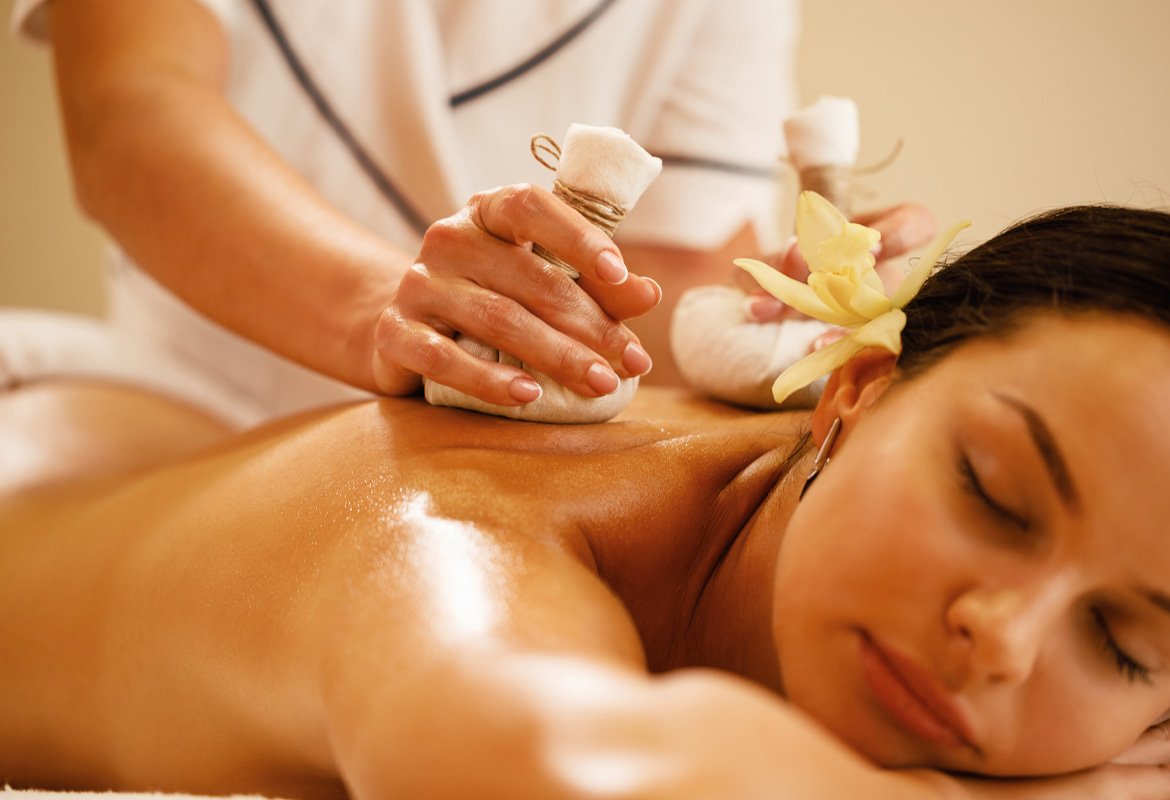
Key aspects of Ayurveda in Sri Lanka include the use of indigenous herbs and plants for treatments, personalized dietary guidelines based on an individual’s dosha (body constitution), and various therapeutic practices such as massages, steam baths, and detoxification programs like Panchakarma. Renowned for its preventive and curative benefits, Ayurvedic therapy in Sri Lanka is supported by the government and widely available in specialized centers and resorts across the island.
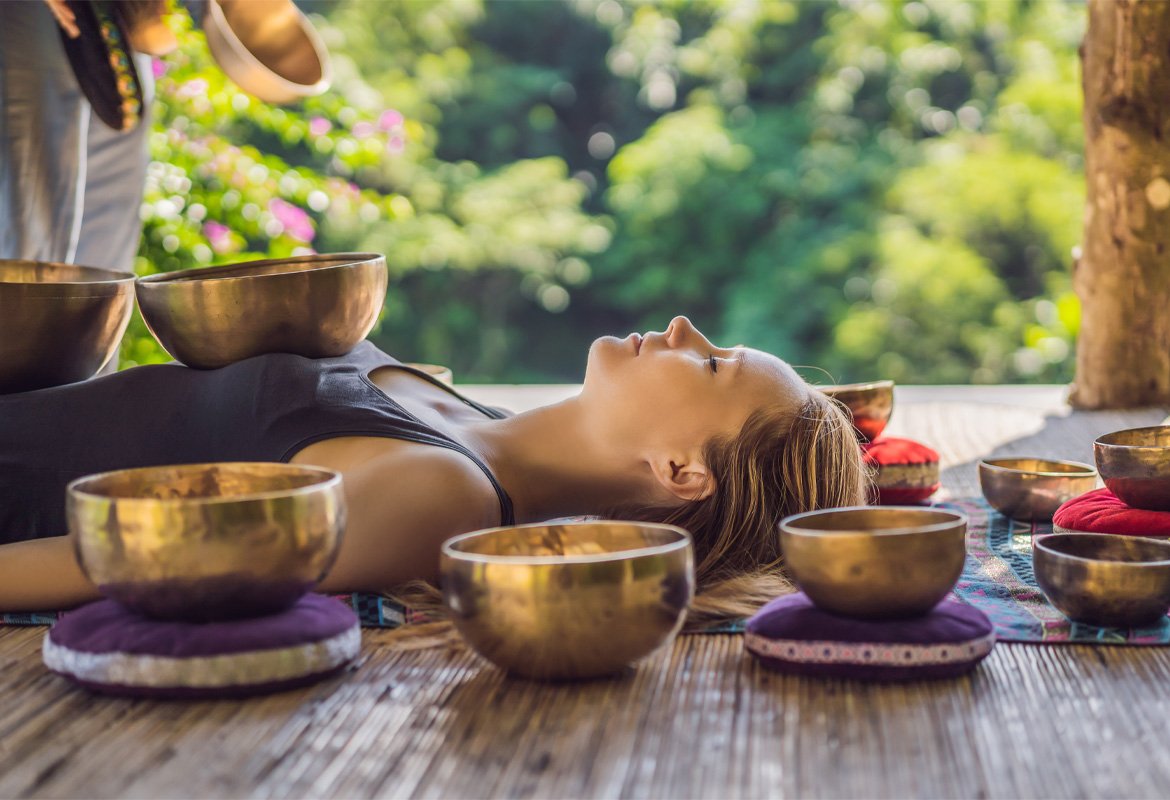
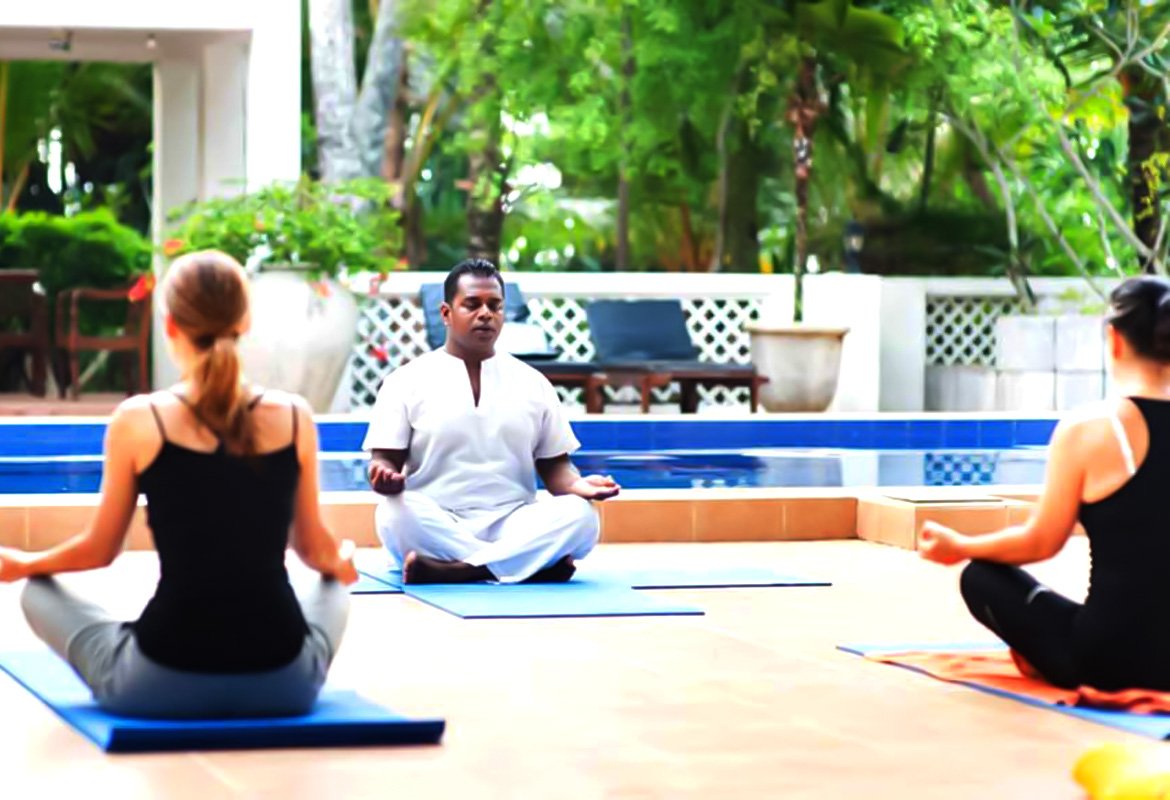
These centers, often set in serene and natural environments, offer comprehensive wellness programs that combine traditional treatments with practices such as yoga and meditation. The holistic nature of Ayurveda in Sri Lanka aims not only to treat illnesses but also to promote overall health and longevity by fostering a balanced and harmonious lifestyle.
Ayurveda in Sri Lanka
The history of Ayurveda in Sri Lanka is a rich tapestry woven over more than two millennia, beginning around 543 BC with the arrival of Prince Vijaya from North India. Ayurveda’s integration with Sri Lankan culture was significantly influenced by Buddhism, particularly during the Anuradhapura period (377 BC – 1017 AD), when it flourished and became deeply embedded in the daily lives of the people. King Buddhadasa, a 4th-century monarch and renowned physician, greatly advanced Ayurvedic knowledge and practice by establishing hospitals and writing important texts. Despite the challenges posed by Portuguese, Dutch, and British colonial rule, Ayurveda survived, particularly in rural areas. After gaining independence in 1948, Sri Lanka experienced a revival of Ayurveda, supported by government initiatives, the establishment of the Department of Ayurveda, and the integration of Ayurvedic medicine into the national healthcare system. Today, Ayurveda in Sri Lanka is a respected and widely practiced holistic medical system, blending ancient wisdom with modern research to promote health and well-being.
Benefits of Ayurveda Therapies
Ayurveda therapies offer numerous benefits, promoting holistic well-being by addressing the root causes of health issues and enhancing overall balance and harmony within the body. Key benefits include:
- Improved Physical Health
– Detoxification: Therapies like Panchakarma help remove toxins from the body, improving organ function and overall vitality.
– Enhanced Immunity: Ayurvedic treatments and herbal medicines boost the immune system, making the body more resistant to illnesses.
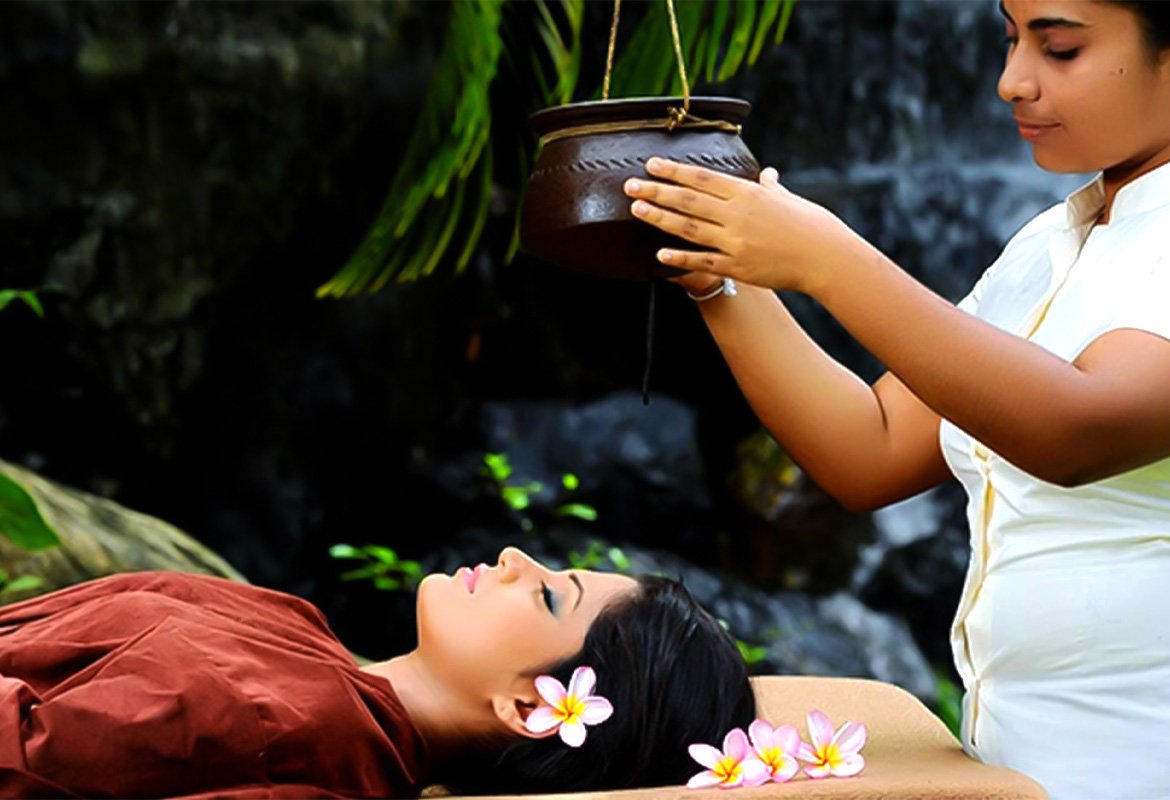
– Pain Relief: Ayurvedic massages and treatments, such as Abhyanga and Shirodhara, alleviate chronic pain, arthritis, and muscle tension.
- Mental and Emotional Well-being
– Stress Reduction: Practices like meditation, yoga, and certain herbal treatments reduce stress and promote relaxation.
– Improved Mental Clarity: Ayurveda helps enhance concentration and cognitive function, supporting mental clarity and focus.
– Emotional Balance: Holistic therapies and lifestyle recommendations foster emotional stability and reduce anxiety and depression.
- Personalized Care
– Tailored Treatments: Ayurveda offers personalized treatments based on an individual’s dosha (body constitution), ensuring that therapies are suited to their unique needs.
– Preventive Care: Emphasis on preventive care helps individuals maintain health and prevent the onset of diseases.
- Holistic Approach
– Body, Mind, and Spirit: Ayurveda treats the individual as a whole, addressing physical, mental, and spiritual aspects of health.
– Lifestyle Integration: Ayurveda promotes healthy lifestyle choices, including diet, exercise, and daily routines that support long-term well-being.
- Natural and Non-invasive
– Herbal Remedies: Use of natural herbs and remedies minimizes side effects and supports the body’s natural healing processes.
– Non-invasive Treatments: Ayurveda emphasizes non-invasive treatments, promoting healing without the need for aggressive interventions.
- Improved Digestion
– Balanced Diet: Dietary recommendations based on dosha types improve digestion and metabolism.
– Gut Health: Ayurvedic treatments support gut health, reducing issues like bloating, indigestion, and constipation.
- Enhanced Skin and Hair Health
– Natural Treatments: Herbal oils and remedies improve skin texture and promote healthy hair.
– Internal Balance: By balancing the body’s internal systems, Ayurveda helps achieve a healthy complexion and reduces skin problems.
- Longevity and Vitality
– Rejuvenation: Rejuvenative therapies and herbs enhance vitality, slow down the aging process, and promote longevity.
– Energy Levels: Improved energy levels and stamina are common benefits of regular Ayurvedic practices.
Ayurveda therapies, with their holistic and personalized approach, offer a comprehensive path to achieving optimal health and well-being, emphasizing balance, prevention, and natural healing.