
Description

Culture & History in Sri Lanka
Sri Lanka’s culture and history are deeply intertwined, reflecting a rich tapestry of influences from ancient civilizations, colonial encounters, and religious traditions. The island’s strategic location in the Indian Ocean has made it a crossroads of cultures for millennia, shaping its unique identity.
Ancient History
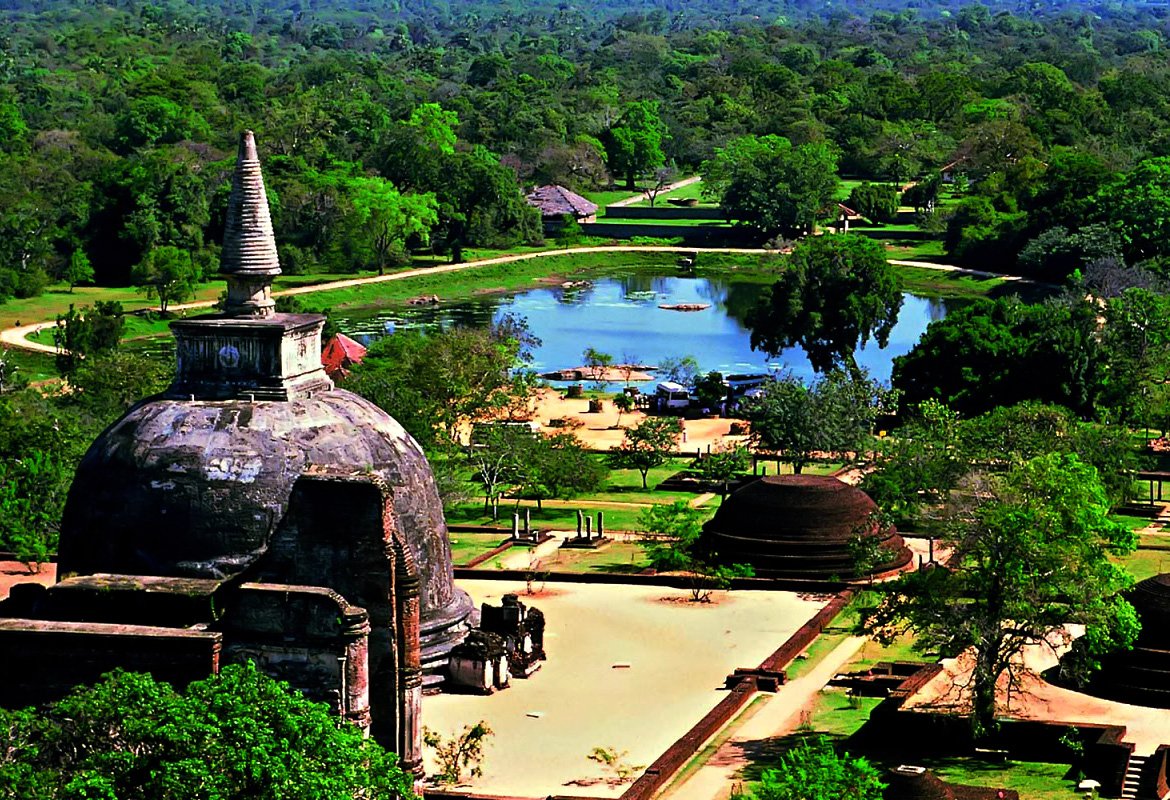
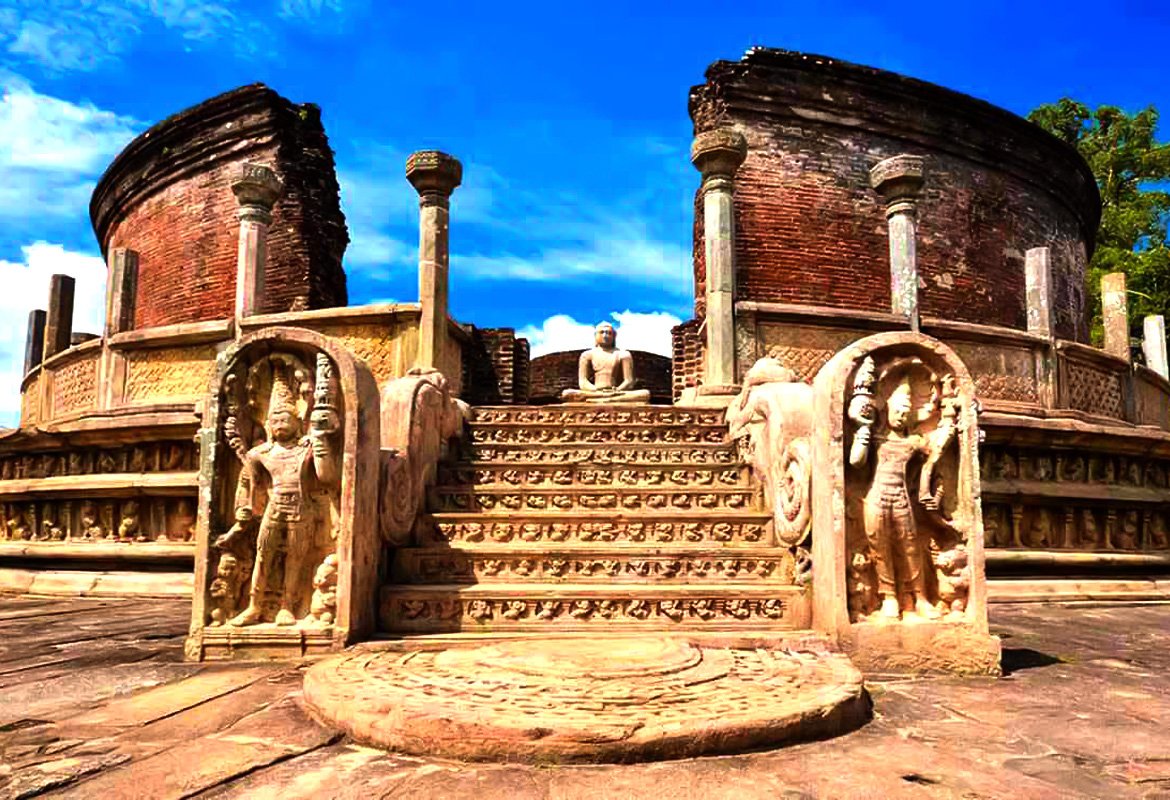
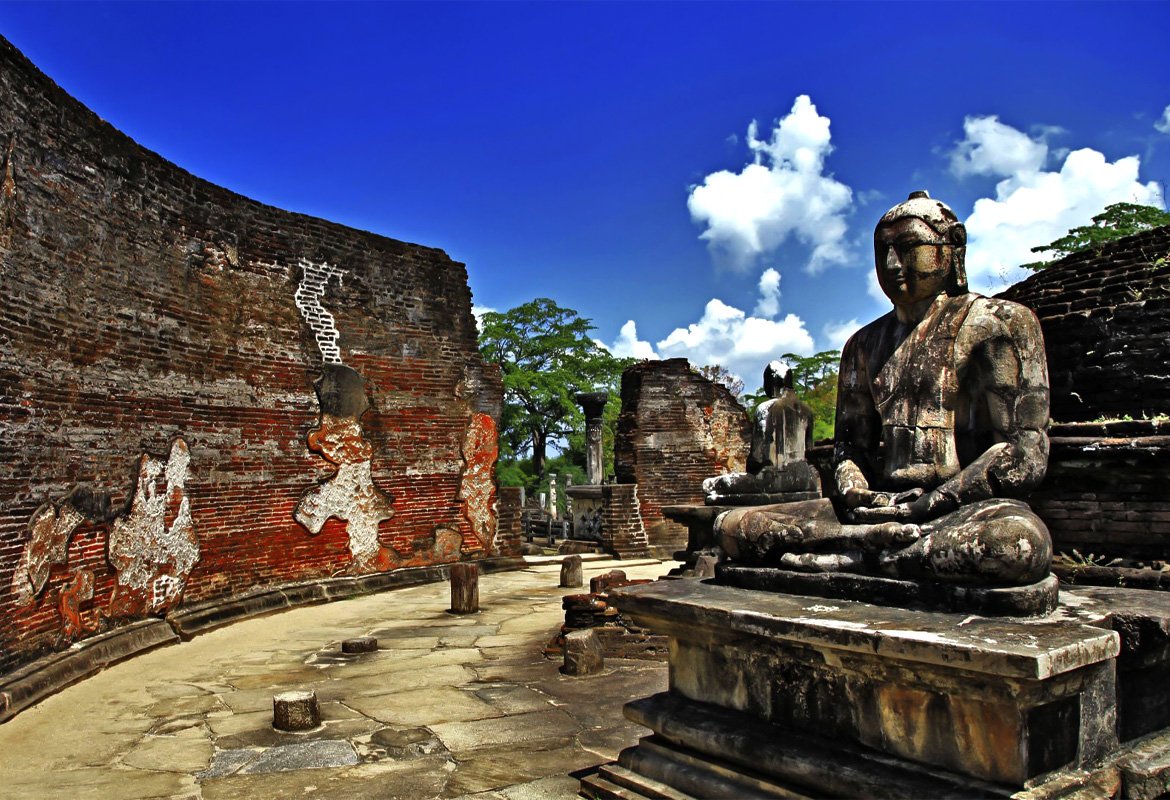
Sri Lanka’s documented history dates back over 2,500 years. The earliest known inhabitants were the Veddas, an indigenous people. The arrival of Prince Vijaya from North India around 543 BC marked the beginning of recorded history, leading to the establishment of the Sinhalese kingdoms. The ancient cities of Anuradhapura and Polonnaruwa became prominent centers of power, culture, and religion, with impressive feats of architecture such as stupas, palaces, and reservoirs.
Buddhism
Buddhism was introduced to Sri Lanka in the 3rd century BC by Mahinda, the son of Indian Emperor Ashoka. This event had a profound impact on the island, making Buddhism a cornerstone of Sri Lankan culture and spirituality. The construction of monumental structures like the Ruwanwelisaya stupa and the establishment of the Sacred Bo Tree in Anuradhapura underscore Buddhism’s lasting influence.
Colonial Era
Sri Lanka’s strategic location attracted various colonial powers. The Portuguese arrived in the early 16th century, followed by the Dutch in the 17th century, and finally the British in the 18th century. Each colonial period left its mark on Sri Lanka’s architecture, religion, and economy. The British, in particular, introduced coffee and tea plantations, transforming the island’s landscape and economy.
Independence and Modern History
Sri Lanka gained independence from Britain in 1948. The post-independence period was marked by efforts to forge a national identity, balancing modernity with cultural heritage. However, the country also experienced ethnic tensions, leading to a civil war between the Sinhalese-dominated government and the Tamil Tigers from 1983 to 2009. The end of the war ushered in a period of reconstruction and reconciliation.
Cultural Heritage
Sri Lanka’s cultural heritage is a blend of its diverse influences. The island is home to a variety of ethnic groups, including Sinhalese, Tamils, Moors, and Burghers, each contributing to the cultural mosaic. This diversity is reflected in Sri Lanka’s festivals, cuisine, music, dance, and art.
-
-
- Festivals: Major festivals include Vesak, celebrating the Buddha’s birth, enlightenment, and death; Sinhala and Tamil New Year; and Deepavali, the Hindu festival of lights.
- Cuisine: Sri Lankan cuisine is known for its bold flavors, featuring spices, coconut, and rice as staples. Signature dishes include rice and curry, hoppers, and kottu roti.
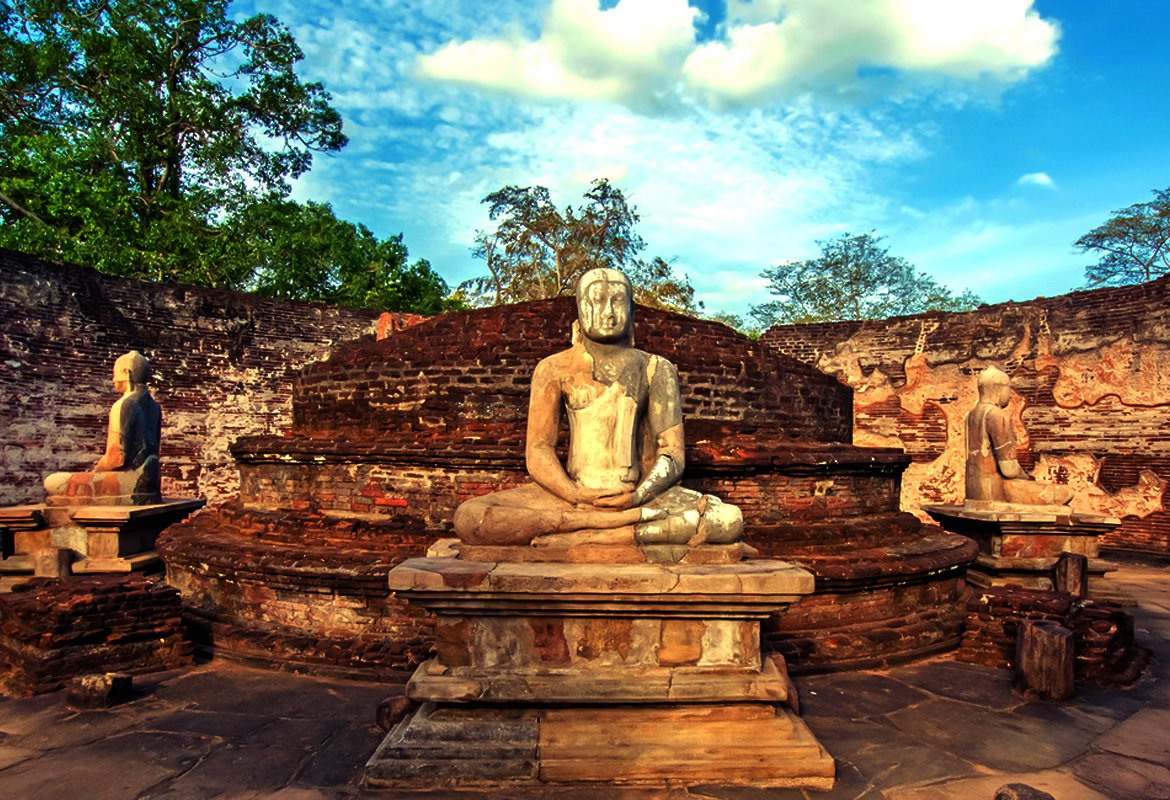
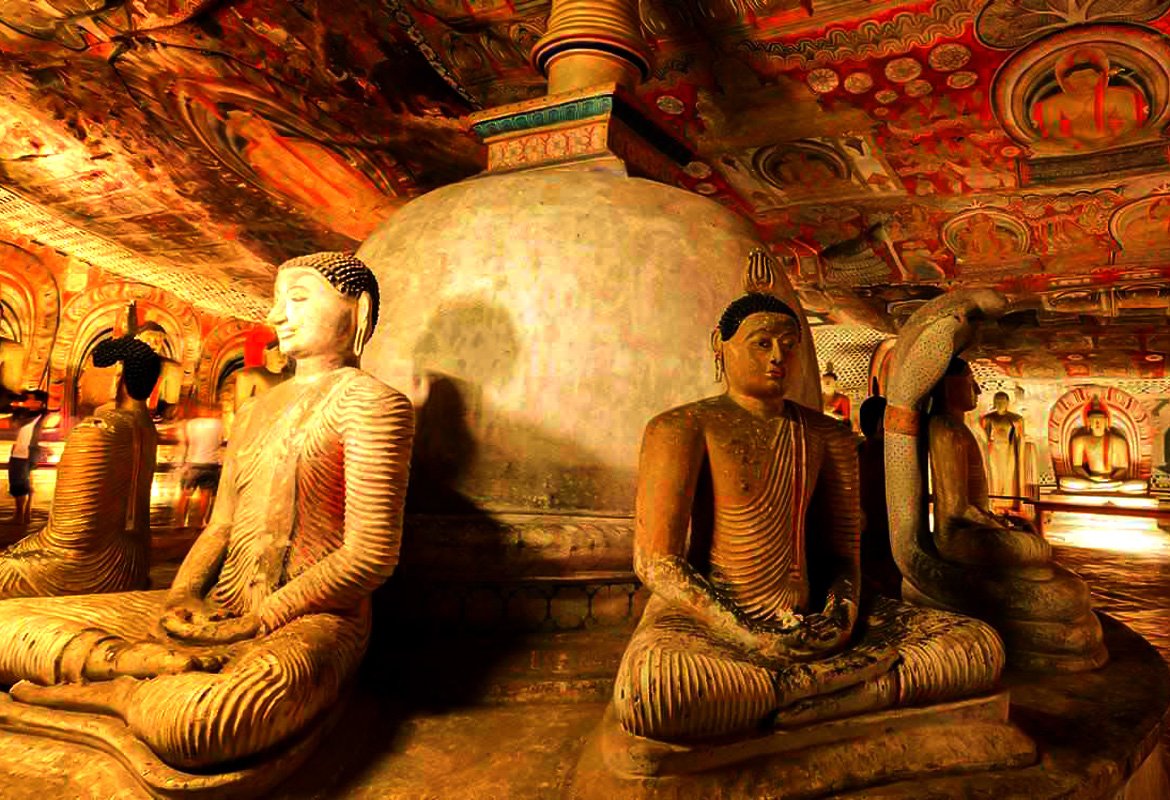
- Arts: Traditional arts such as Kandyan dance, drumming, and mask-making are integral to Sri Lankan culture. The island also has a rich tradition of visual arts, including frescoes and sculptures found in ancient temples.
-
Architectural Marvels
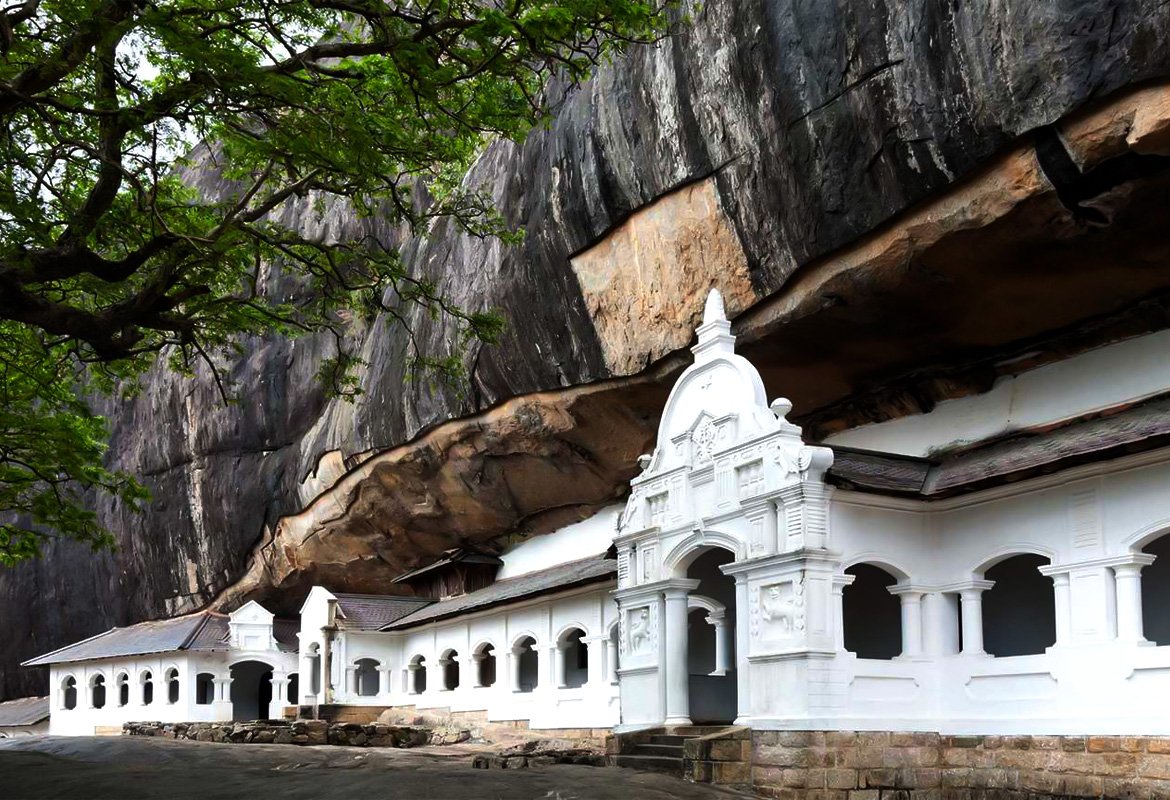
Sri Lanka boasts a wealth of architectural marvels, from ancient stupas and rock fortresses to colonial-era buildings. Sigiriya, the Lion Rock, is a UNESCO World Heritage site featuring ancient frescoes and sophisticated hydraulic systems. The Dutch Fort in Galle is another UNESCO site, showcasing well-preserved colonial architecture.
Natural Beauty and Biodiversity
Sri Lanka’s natural beauty is an essential part of its cultural identity. The island’s diverse landscapes include pristine beaches, lush rainforests, and misty highlands. National parks like Yala and Wilpattu are havens for wildlife, including elephants, leopards, and a myriad of bird species.
Contemporary Culture
In contemporary Sri Lanka, there is a dynamic interplay between tradition and modernity. The country is witnessing a resurgence of interest in traditional crafts and practices, alongside a burgeoning contemporary arts scene. Modern Sri Lanka is characterized by its resilience and efforts to build a harmonious and prosperous society.
In summary, Sri Lanka’s culture and history are a testament to its ability to adapt and thrive amidst changing influences. The island’s rich heritage, diverse traditions, and natural beauty continue to enchant visitors and shape the identity of its people.
Lunar and Poya Days
Sri Lanka is predominantly a Buddhist country, and many of its festivals follow the lunar calendar. Every Full Moon day, known as Poya day, is a public holiday. The Buddha encouraged his disciples to engage in spiritual practices during the full moon, so Sri Lankan Buddhists spend these days in meditation and prayer. Each Poya day commemorates an event in the Buddha’s life or a significant moment in Buddhist history.
January (Duruthu)
February (Navam)
March (Medhin)
April (Bak)
May (Vesak)
June (Poson)
July (Asela)
August (Nikini)
September (Binara)
October (Vap)
November (il)
December (Uduvap)